Life threatening arterial bleeding requires quick thinking and calm action. Bright red blood that spurts rapidly from a wound can lead to serious blood loss within minutes. Knowing the correct steps can improve safety, support recovery, and help protect a person until medical assistance arrives.
Recognize the Signs Quickly
Understanding the warning signs helps you react faster and more effectively.
Common Signs of Arterial Bleeding
- Blood appears bright red
- Bleeding comes out in strong pulses
- Blood loss happens very rapidly
- Weakness or dizziness may develop
- Skin may become pale and cool
Important First Actions
- Stay calm and focused
- Call for emergency medical help immediately
- Keep the injured person as still as possible
- Use protective gloves if available
Fast action creates a better chance of controlling the situation safely.
Apply Direct Pressure Immediately
Direct pressure is one of the most effective ways to slow severe bleeding.
How to Apply Pressure Correctly
- Use a clean cloth, dressing, or thick fabric
- Press firmly over the wound
- Maintain constant pressure without lifting frequently
- Use both hands if needed for stronger compression
Helpful Tips
- Continue pressure for several minutes
- Add extra cloth layers if blood soaks through
- Avoid removing the original covering
- Encourage the injured person to remain calm
Consistent pressure helps reduce blood flow and supports clot formation.
Elevate the Injured Area When Possible
Raising the injured limb above heart level may help slow bleeding in certain situations.
Safe Elevation Methods
- Gently lift the injured arm or leg
- Support the limb with stable objects
- Avoid unnecessary movement
- Stop if elevation causes pain or discomfort
Elevation works best when combined with firm direct pressure.
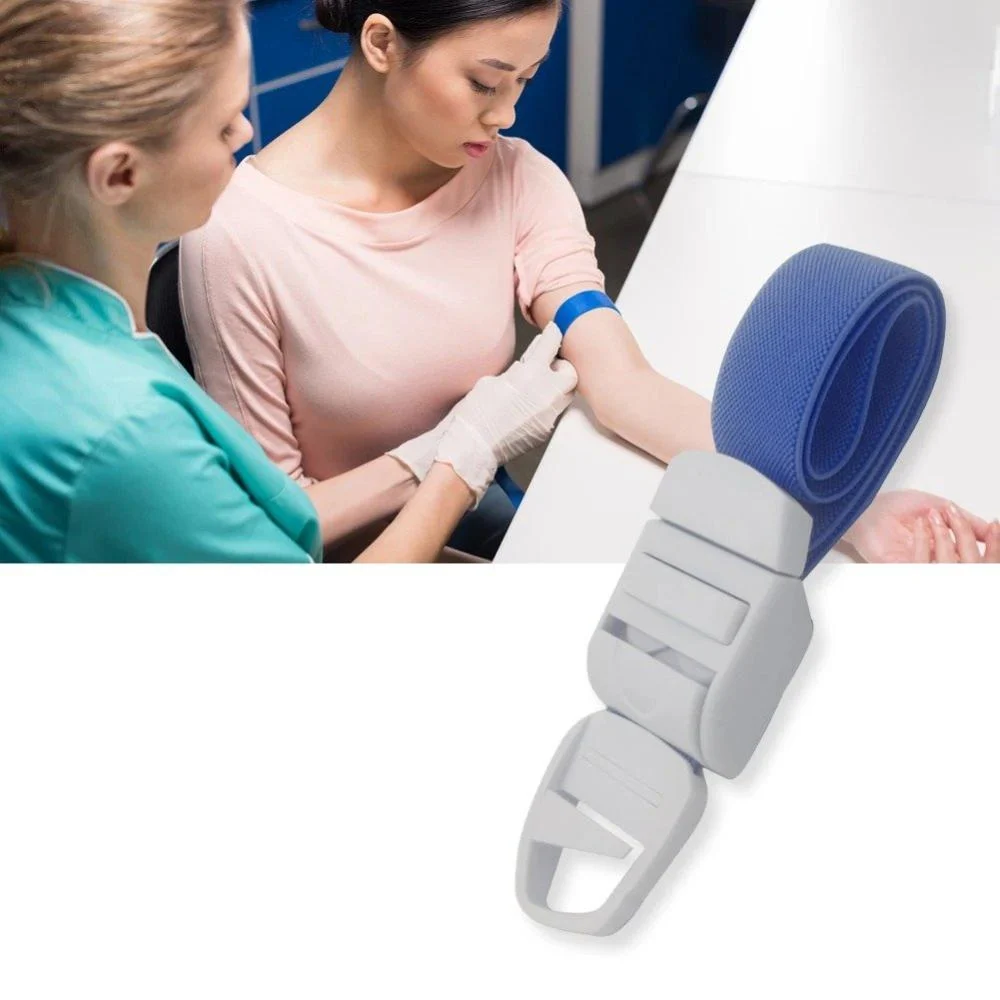
Use A Tourniquet Only When Necessary
If heavy bleeding cannot be controlled with pressure alone, a tourniquet may become necessary.
Proper Tourniquet Placement
- Position it above the wound
- Tighten until bleeding slows or stops
- Secure it firmly in place
- Note the time it was applied
Safety Reminders
- Use wide material rather than thin cords
- Do not loosen it repeatedly
- Keep monitoring the injured person closely
- Continue waiting for professional medical care
Correct tourniquet use can help preserve life during severe emergencies.
Monitor the Person Carefully
Severe blood loss may lead to shock, so continuous observation is important.
Signs of Shock
- Rapid breathing
- Confusion or anxiety
- Weak pulse
- Cold or clammy skin
- Extreme fatigue
Supportive Care Steps
- Keep the person warm with a blanket
- Help them remain lying down
- Offer reassurance and calm communication
- Avoid giving food or drinks
Comfort and reassurance can help reduce panic while waiting for additional care.
Focus On Preparedness and Confidence
Learning basic emergency response skills builds confidence during unexpected situations.
Helpful Preparation Ideas
- Keep first aid supplies nearby
- Learn pressure and bandaging techniques
- Practice emergency response plans
- Stay aware of surroundings during activities
Quick recognition, steady pressure, careful monitoring, and calm decision making can make a major difference during life threatening arterial bleeding emergencies. What is the most effective way to stop an arterial bleed when there is no object still in the wound? Prepared actions support safety, improve response effectiveness, and provide valuable help until trained medical professionals.